





The difference between a retail trader and a professional often isn’t intelligence or capital. It’s the toolkit.
Most aspiring traders open a charting platform, add a few indicators, and call it a setup. Professional traders treat their toolkit like a cockpit—every instrument has a purpose, and nothing is there by accident.
This guide breaks down how serious crypto traders actually assemble their stack, from analysis to execution to security. No hype. No affiliate shilling. Just the structural thinking behind a professional-grade setup.
The Core Principle: Tools Follow Process
Before listing software, understand this: professional traders don’t collect tools. They build systems.
A trader who scalps perpetual futures has almost nothing in common with someone running a dollar-cost averaging strategy into Bitcoin. Their toolkits look completely different because their processes are different.
The first question isn’t “What tools should I use?” It’s “What am I actually trying to do?”
Are you executing 20 trades a day or two a month? Do you need on-chain visibility or are you purely price-action driven? Do you hold assets on exchanges or self-custody?
Answer those questions first. The tool list writes itself after.
The Three Layers of a Professional Toolkit
Professional crypto trading stacks generally separate into three functional layers. Each layer solves a distinct problem, and the best traders keep them intentionally distinct.
Layer 1: Analysis and Intelligence
This is where you form opinions. The goal isn’t to find a magic indicator—it’s to gather enough context that your decisions aren’t guesses.
Charting platforms remain the foundation. TradingView is the default for most traders because it’s where the liquidity of attention sits . But the professional move isn’t using TradingView itself—it’s how you configure it. Multi-timeframe layouts, custom indicators instead of default setups, and chart templates that match your specific strategy .
On-chain intelligence is the layer retail traders often skip entirely. Platforms like Glassnode and CryptoQuant expose exchange flows, whale accumulation patterns, and holder behavior metrics that simply don’t appear on a price chart . When exchange inflows spike, that’s potential sell pressure forming. When long-term holders accumulate, that’s a different signal.
Derivatives data matters if you trade futures or options. Funding rates, open interest, liquidation levels, and skew metrics reveal positioning in ways spot charts can’t . Coinalyze and similar platforms aggregate this data across exchanges.
The professional habit here isn’t using one tool—it’s cross-referencing. A price breakout means more when on-chain data confirms accumulation and funding rates aren’t excessively bullish.
Layer 2: Execution and Automation
A good idea executed poorly loses money. This layer is about precision.
Trading terminals beyond the standard exchange interface give professionals better order management. Platforms like Tiger.com offer depth-of-market views, cluster feeds, and advanced order types that standard exchange UIs compress or omit entirely . For intraday traders, the difference between a standard interface and a professional terminal is often measured in basis points of slippage.
APIs and automation separate systematic traders from discretionary ones. Coinbase’s Advanced Trade API, for example, supports programmatic order management and real-time market data via WebSocket . This enables everything from simple alert-based execution to fully automated strategies.
Trading bots occupy a strange space. They’re not magic—they execute rules without emotion . That’s their entire value proposition. A well-tested grid or DCA strategy running through 3Commas or Pionex removes the hesitation that costs discretionary traders money . But a bad strategy automated just loses money faster.
The professional standard for automation is simple: if you can’t articulate the exact rules, don’t automate it. Bots scale discipline, not insight.
Layer 3: Security and Custody
This is the least glamorous layer and the one that ends careers when neglected.
Hardware wallets are non-negotiable for meaningful holdings. Ledger and Trezor both support 1,000+ assets with secure element storage . The point isn’t just theft prevention—it’s removing your capital from exchange counterparty risk.
Permission management matters more than most traders realize. Tools like Revoke.cash let you audit and revoke smart contract approvals you no longer use . Every unlimited approval you’ve signed is a potential attack vector.
Operational security covers the basics that experienced traders never skip: two-factor authentication, anti-phishing codes, withdrawal whitelists, and separating hot wallets from cold storage .
The professional mindset here is paranoid by default. Assume every link is phishing until proven otherwise. Assume every contract approval is a risk. The goal isn’t just to make money—it’s to still have it tomorrow.
How the Pieces Fit Together
Tools don’t trade for you. They remove specific frictions.
A professional workflow might look like this:
- Morning preparation: Scan overnight price action, check economic calendar events, review on-chain metrics for any anomalies .
- Idea formation: Use charting platforms to identify structure, then cross-reference with derivatives data to gauge positioning .
- Execution: Place orders through a terminal that minimizes slippage, or let a pre-configured bot handle entry if the setup meets criteria .
- Risk management: Position sizing tools, stop-loss orders, and portfolio exposure tracking keep any single trade from becoming catastrophic .
- Post-trade review: Journal the trade, compare actual execution against the plan, and adjust the system .
Notice what’s absent: no single “best” indicator, no secret signal group, no prediction AI. The edge comes from the system, not any individual component.
Common Mistakes When Building a Toolkit
Tool hoarding. More tools don’t equal better trading. They equal more screens, more noise, and more decisions that don’t matter. Professionals use fewer tools but use them deeply.
Chasing “edge” indicators. Default RSI settings don’t give you an advantage because everyone uses them. If anything, predictable indicator levels become liquidity targets .
Skipping the boring layer. Security tools and risk management are boring until they’re not. One compromised wallet or one unhedged position can erase months of gains.
Automating chaos. A bot running an unclear strategy is just an expensive way to discover your strategy was bad .
Confusing activity with progress. Watching charts all day feels productive. Professional traders often trade less, not more, because they wait for specific setups their system identifies.
The Toolkit Is Personal
There’s no universal crypto trading stack. A DeFi yield farmer, a Bitcoin options trader, and a Solana meme coin scalper need entirely different tools.
What they share is the discipline to define their process first, then select tools that serve it. Not the other way around.
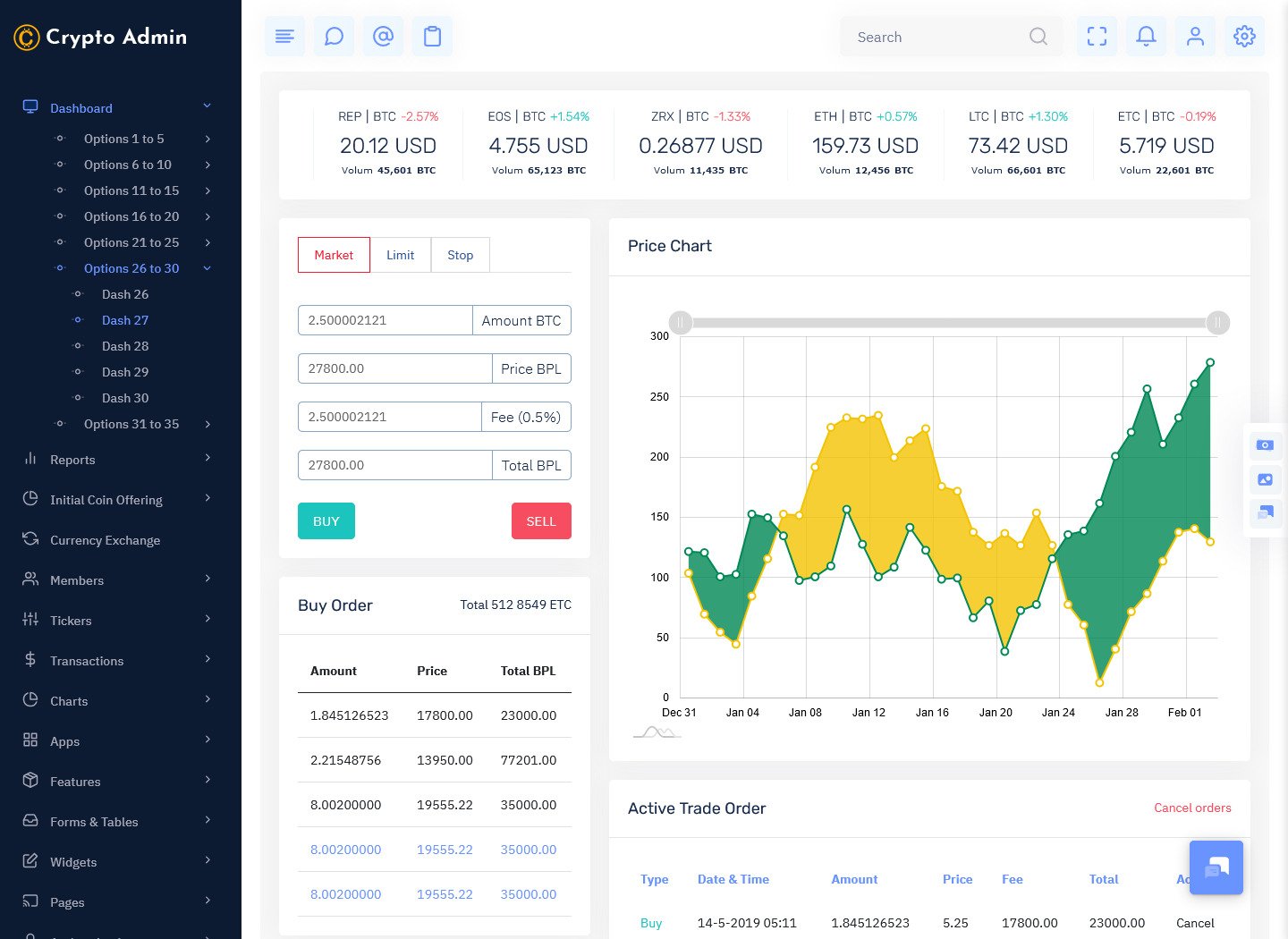
The dashboard is where you watch. The toolkit is what you build around it.