Whether you’re a seasoned professional or a dedicated DIYer, having the right tools for the job is what separates a quick fix from a full-blown catastrophe. Plumbing is a trade where precision, reliability, and preparedness matter—and the difference often comes down to the tools in your bag.
This guide covers the essential plumber tools every toolkit needs, from the basics to modern innovations that make the job faster and safer.
The Foundation: Gripping and Turning
Pipe Wrenches
The pipe wrench is arguably the most iconic plumbing tool, and for good reason. Designed specifically for gripping round metal surfaces, it’s essential for installing or removing threaded pipes and fittings . These wrenches come in various sizes to accommodate different pipe diameters, and their adjustable jaws provide a solid grip on iron and steel pipes .
For tight spaces, consider an offset pipe wrench, which angles the jaw differently than the standard model . And when dealing with particularly large-diameter pipes, a chain wrench (or chain-type pipe wrench) wraps around the pipe to provide superior gripping power .
Adjustable Wrenches
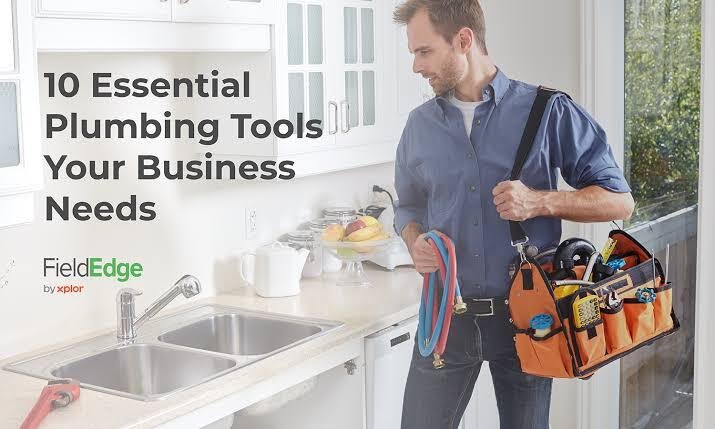
While pipe wrenches handle the heavy lifting, adjustable wrenches offer versatility across the toolkit. These are invaluable for tightening or loosening nuts and bolts on plumbing fittings of varying sizes . Unlike pipe wrenches that can mar softer metals, adjustable wrenches work well on copper or brass fittings without causing damage .
Basin Wrenches
Anyone who’s ever tried to reach a nut behind a sink knows the value of a basin wrench. This specialized tool features a long handle and a pivoting jaw specifically designed for tightening or loosening nuts in tight spaces under sinks—spaces where other wrenches simply won’t fit .
Pliers and Screwdrivers
A good set of water pump pliers (sometimes called channel-locks) provides grip for a wide range of tasks, from turning pipes to holding small parts . Meanwhile, a multi-bit screwdriver set is essential for accessing and adjusting fixtures, with both flathead and Phillips heads covering most scenarios .
Cutting and Shaping: Getting the Right Fit
Pipe Cutters
Clean, straight cuts are non-negotiable for secure plumbing connections. Manual pipe cutters—also known as tube cutters or pipe slicing tools—provide precise cuts on copper, PVC, and PEX piping, producing much cleaner edges than a saw . These tools use a rotating cutting wheel that you tighten gradually as you turn the tool around the pipe .
For cutting larger metal pipes or when a pipe cutter won’t fit in the space, a hacksaw remains a reliable standby. Choose fine-toothed blades for smoother cuts on metal, and always ensure the blade teeth face forward during installation .
Threading and Deburring Tools
When working with metal pipes that need threaded connections, a pipe threading kit is essential. Manual pipe threaders (also called stock and die sets or die stocks) cut threads into pipe ends so they can connect securely with fittings . Electric versions like threading machines make the job faster on larger projects .
After cutting or threading, deburring tools and reamers remove rough edges from the inside and outside of pipes, ensuring smooth water flow and preventing leaks .
Manual Benders
When pipes need to route around obstacles, manual pipe benders let you bend metal pipes without kinking or collapsing them—an especially useful skill for copper and soft metal tubing .
Sealing and Joining: Making It Watertight
Teflon Tape and Pipe Joint Compound
No plumbing toolkit is complete without proper sealing materials. Teflon tape (thread seal tape) wraps around threaded connections to fill gaps and prevent leaks . For extra assurance, pipe joint compound (pipe dope) can be used in combination with tape on threaded joints .
PEX and Press Tools
Modern plumbing increasingly uses PEX (cross-linked polyethylene) piping, which requires specialized tools. PEX crimping tools secure metal rings around PEX connections, while PEX expansion tools stretch the pipe before inserting a fitting for a tight seal .
Press tools represent another innovation—these battery-powered devices clamp fittings tightly onto copper or PEX pipes without soldering or gluing, making connections faster, cleaner, and safer (particularly when avoiding open flames) .
PPR Hot Melt Tools
For PPR (polypropylene random copolymer) piping systems common in modern construction, a PPR pipe welding machine (hot melt tool) is essential for melting and joining PPR pipes and fittings .
Caulking Guns
Every plumber needs a caulking gun for applying silicone sealant around fixtures and fittings. The gun holds standard sealant tubes and provides controlled application for watertight seals around sinks, tubs, and other fixtures .
Unclogging and Cleaning: When Things Go Wrong
Plungers
The simplest yet essential drain-clearing tool is the plunger. Two main types exist: cup plungers with flat bottoms for sinks and tubs, and flange plungers with an extra rubber piece for toilets .
Drain Snakes and Augers
When plungers aren’t enough, a plumber’s snake (drain auger) comes into play. This long, flexible cable feeds into drains to break apart stubborn clogs or retrieve lost items . For more serious blockages, motorized drain snakes or hydro-jetting machines that blast high-pressure water through pipes may be necessary .
Measuring and Layout: Getting It Right the First Time
Tape Measures and Levels
Accurate measurements are critical in plumbing. A tape measure ensures pipes and fixtures are cut and positioned correctly . A spirit level ensures installations are straight and properly aligned—especially important for gravity-fed drainage systems where slope matters .
Diagnostic Equipment
For more advanced troubleshooting, a drain inspection camera lets plumbers see inside pipes without digging or cutting open walls . Pressure testing gauges verify system integrity by checking whether plumbing can hold pressure without leaks . A voltage tester is essential for safely checking electrical lines near plumbing work .
Safety and Organization: Protecting Yourself and Your Tools
Safety Gear
Plumbing work carries real risks. Safety glasses protect eyes from debris and splashing chemicals. Work gloves shield hands from sharp edges and harsh substances. For loud power tools, ear protection matters .
Tool Storage
Keeping tools organized and portable is essential for efficiency. Many plumbers use tool boxes with foam inlays or custom compartments that protect tools and make it easy to see what’s missing .
Final Thoughts
Building a complete plumbing toolkit takes time and investment, but the right tools pay for themselves in efficiency, quality work, and reduced callbacks. Start with the essentials—wrenches, cutters, sealants, and safety gear—then expand into specialized tools as your work demands them.
Remember: quality matters more than quantity. Durable tools made from quality materials will serve you for years, while cheap alternatives often fail when you need them most . Whether you’re a contractor working on commercial jobs or a homeowner tackling DIY repairs, having the right tool at the right moment makes all the difference.