
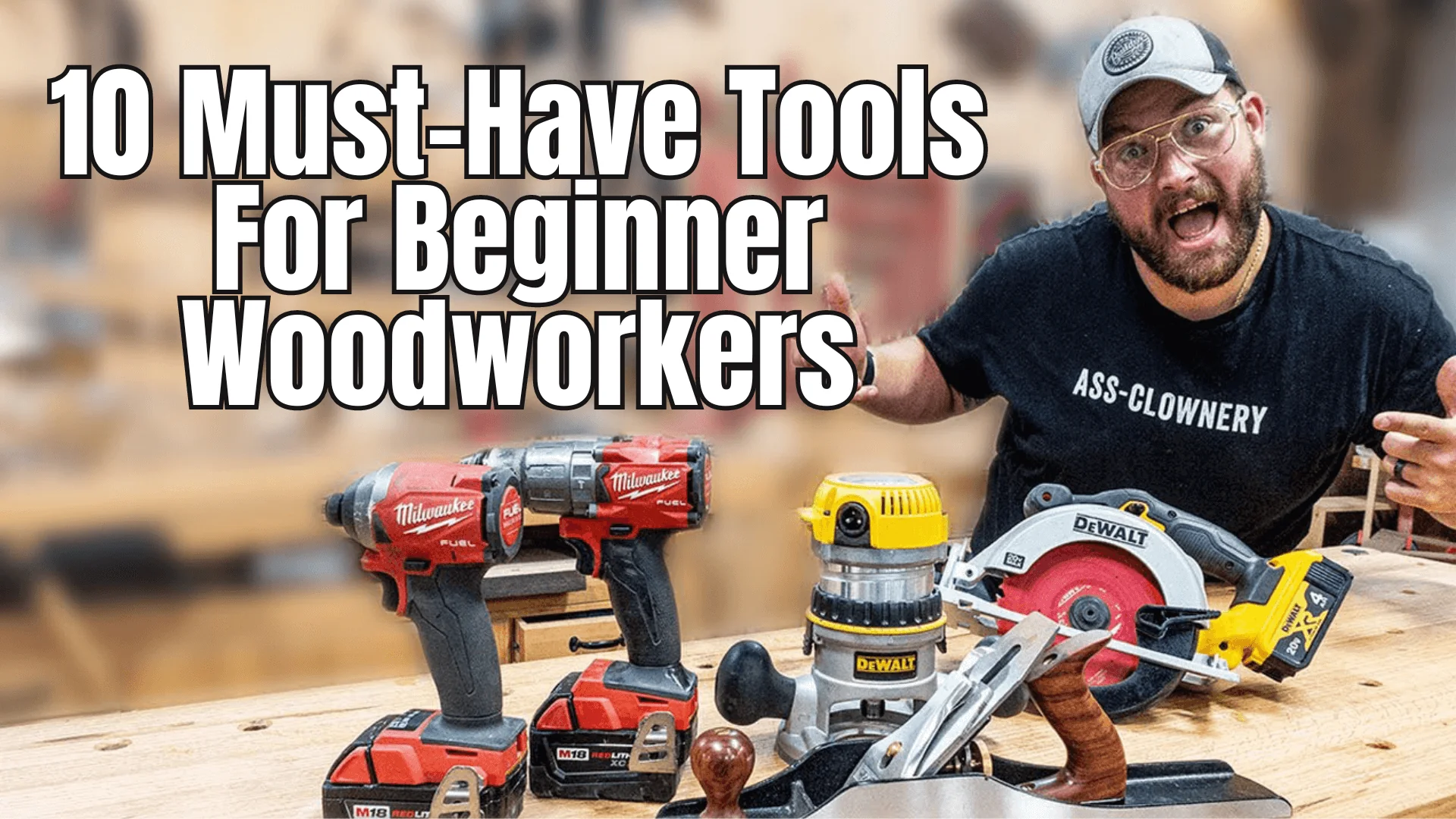
Starting woodworking can feel like standing at the edge of a forest—exciting but a little overwhelming, especially when you walk into a tool aisle and see hundreds of options. The good news is, you don’t need a massive workshop filled with fancy gear to bring your ideas to life. You just need a few reliable, versatile tools that will serve as the foundation of your new craft. Here are the seven essential power tools every beginner woodworker should invest in first.
1. The Cordless Drill: Your Most Used Tool
If there’s one tool that belongs in every woodworker’s hands, it’s the cordless drill. You will reach for this more than anything else on your bench. It’s designed for two primary tasks: drilling precise holes and driving screws, making it indispensable for assembling cabinets, bookcases, furniture, and installing hardware like hinges and drawer pulls .
For a beginner, an 18- or 20-volt model is a sweet spot, offering enough power for most tasks without being too heavy . Look for a model that includes two batteries and a charger—that way, you’ll always have one ready to go.
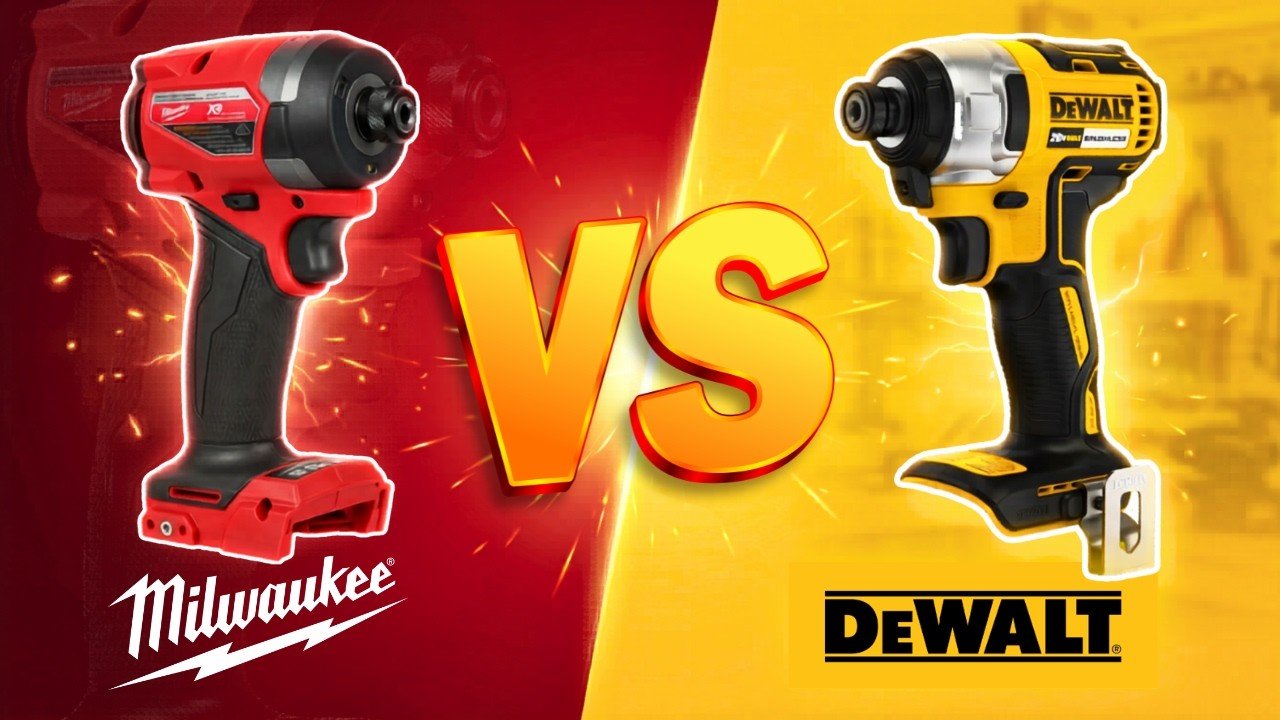
Pro Tip: Consider buying a combo kit that pairs your drill with an impact driver. This is the drill’s powerhouse cousin. While a drill is great for general use, an impact driver delivers bursts of rotational force to drive long screws into tough hardwood without straining your wrist . It’s a game-changer.
2. The Circular Saw: The Cutting Powerhouse
Next up is the circular saw—the backbone of most cutting tasks. This handheld workhorse is incredibly versatile, allowing you to make straight rip cuts (with the grain) and crosscuts (across the grain) in lumber, plywood, and other sheet goods . Its main advantage is mobility; you can take it to the material rather than wrestling heavy sheets onto a stationary machine.
A 7¼-inch saw is the standard size and will handle most woodworking needs . While corded models offer unlimited power, cordless models provide the freedom to work anywhere without tripping over extension cords. If you are primarily cutting 2x lumber and plywood sheets, a quality circular saw is your best friend. It can even handle beveled cuts by tilting the blade shoe.
Pro Tip: To ensure straight, accurate cuts when you’re just starting out, consider buying or making a simple straightedge guide to clamp onto your wood .
3. The Jigsaw: For Curves and Creative Cuts
While the circular saw excels at straight lines, the jigsaw is your ticket to curves, circles, and custom shapes. This compact tool uses a narrow blade that moves up and down, allowing you to navigate tight turns and create intricate patterns that other saws simply can’t manage . It’s also fantastic for cutting interior cutouts in a board, like a hole for a sink, without needing a starting point for the blade.
For beginners, the jigsaw opens up a world of creative possibilities. You can cut decorative shapes or trim out a custom shelf design . Look for a model with variable speed settings and tool-free blade changes, so you can easily swap blades for different materials .
4. The Random Orbit Sander: From Rough to Smooth
Sanding is a chore, but it’s a necessary one that separates a professional-looking project from a rough, amateur one. A random orbit sander is the modern choice for this task. It uses a round pad that vibrates and spins in tiny circles to deliver a smooth finish without the swirl marks that can plague other sanders .
This single tool can handle everything from removing old paint and smoothing rough-sawn lumber to prepping surfaces for a final coat of stain or varnish . A 5-inch pad with a hook-and-loop (Velcro) system is standard and makes changing sandpaper quick and easy . Most models also have a dust port to connect to a shop vacuum, keeping your workspace (and lungs) cleaner.
5. The Router: Craftsmanship in a Box
If you want to elevate your work from basic carpentry to true craftsmanship, a router is the tool to buy. It’s a motor with a collet that accepts a wide variety of bits, allowing you to shape decorative edges, cut grooves, create sturdy joinery like dovetails, and even trim laminate or veneer .
For a beginner, a compact trim router (about 1 to 1½ horsepower) is the perfect starting point. It’s easy to handle and perfect for adding a simple round-over edge to a shelf or cutting a straight slot . As your confidence grows, you can explore larger routers and even mount them in a router table. This tool is truly what bridges the gap between woodworking and artistry.
6. The Miter Saw: Precision Crosscuts Made Easy
When it comes to cutting boards to length, nothing beats the speed, safety, and accuracy of a compound miter saw . While you can crosscut with a circular saw, a miter saw makes it effortless to get perfectly square ends on your pieces, which is critical for neat joints and tight-fitting frames. It also excels at cutting precise miters and bevels at various angles for picture frames, trim, and box joints.
A 10-inch compound miter saw is sufficient for most home workshops . Ensure it tilts in both directions so you can cut bevels on either side of the saw table. It’s a significant investment, but it quickly becomes one of the most used tools in your shop.
7. The Table Saw: The Heart of the Workshop
While the circular saw is a highly portable cutting tool, the table saw is the undisputed heart of the workshop for serious woodworking. The blade protrudes up through a table, and you guide the wood into it. This setup makes it the go-to tool for ripping wide boards and sheet goods down to size with unparalleled accuracy and repeatability .
For beginners, a 10-inch benchtop model is a great choice. It’s portable, lighter, and less expensive than large stationary saws, making it ideal for a home garage or shed. It often comes with a miter gauge for crosscuts as well. However, because of its power and exposed blade, it demands respect and a focus on safety. A table saw is often the “third or fourth” tool to buy, but it’s the one that will unlock a new level of project possibilities.
Your Journey Starts Now
Building a woodworking shop is a journey, not a race. If you’re just starting out, a cordless drill, a circular saw, and a random orbit sander can handle a surprising number of projects . As you gain experience, add a jigsaw, then a router, and consider a miter saw for precision cuts. For those ready to take the plunge, the table saw is the ultimate workstation addition.
Your first tools don’t need to be the most expensive, but buying quality tools from reputable brands will make the work easier, safer, and more enjoyable. Start small, learn the ropes, and watch your skills—and your tool collection—grow.